
Our forensic chemistry program provides students with rigorous training in both the scientific foundations and practical, hands-on aspects of chemistry, with an emphasis on laboratory testing and analytical techniques. Through a combination of coursework and experiential learning, students develop the technical skills and critical thinking needed for careers in forensic science and related fields.
We are committed to mentoring each student and preparing them for diverse career paths, including forensic laboratories, research, and the legal system, as well as advanced study in graduate and professional programs such as medical, dental, and other health-related schools.
Schedule a Visit Accepted Students: Secure Your Spot Apply Now!
Degrees Offered
Forensic Chemistry, B.S.: The Chemistry Department at Buffalo State offers a bachelor of science in Forensic Chemistry, accredited by the Forensic Science Education Programs Accreditation Commission (FEPAC), one of only a limited number of accredited programs in the United States. The program provides a strong foundation in chemistry alongside specialized forensic coursework and extensive laboratory experience. Graduates are well prepared for careers in forensic science, as well as for admission to graduate programs and professional schools, including medical and dental programs.
Forensic Science, M.S.: The Master of Science in Forensic Science prepares students for professional careers in forensic laboratories, public safety agencies, and analytical science fields. This two-year program emphasizes advanced analytical techniques, instrumentation, and research, providing graduates with strong credentials for both forensic and broader chemistry careers.
Who Hires Our Students?


13%
Employment growth for forensic science technicians, 2024-2034
$67,440
Average starting annual salary
24%
Graduates who continue on to graduate school
26%
Graduates who go into government positions and/or research
45%
Graduates who pursue careers as industry chemists
Approximately 90% of forensic chemistry graduates work in laboratory settings, including federal, state, and local law enforcement agencies; medical examiner’s offices and morgues; government agencies such as the FBI; public and private universities; hospitals; quality control laboratories; and legal or consulting firms. A growing number of private laboratories also conduct forensic analyses, expanding employment opportunities in the field.
According to the American Academy of Forensic Sciences (AAFS), more than 10,000 job openings are expected in forensic science over the next decade, driven in part by the need to address increasing case backlogs.
While employment opportunities may vary by region and depend on factors such as funding, population size, and crime rates, the demand for forensic scientists remains strong. Continued advances in scientific techniques and instrumentation have created new opportunities for the collection and analysis of evidence. These developments have also contributed to increased demand, particularly in high-need areas such as DNA analysis.
In addition to traditional forensic laboratory roles, graduates may pursue careers in areas such as:
- Firearms Analysis
- Forensic Academia and Administration
- Geology and Soil Analysis
- Government Forensics
- Materials Science
- Medical Examination
- Mortuary Science
- Toxicology
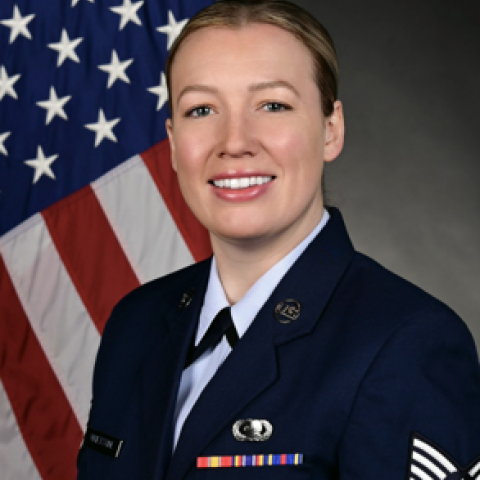
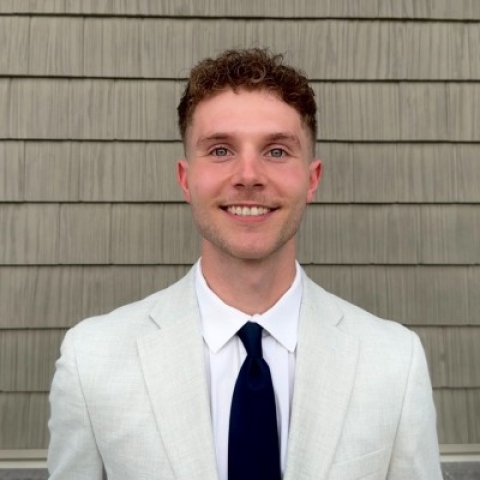
Recent graduates have secured positions in major crime laboratories in Western New York and across the United States, including the Niagara County Sheriff’s Office, Erie County Medical Examiner’s Office, Erie County Central Police Services, and the NYPD Forensic Laboratory. Graduates have also been recruited by leading companies such as Thermo Fisher Scientific, Curia, and Nestlé Health Science.
Many alumni pursue advanced degrees, including Ph.D. programs at the University at Buffalo, M.D. programs, and M.S. programs in pharmacology and related fields. Others have followed alternative career paths, such as environmental engineering consulting, leveraging their strong foundation in chemistry and forensic chemistry.
Students in the Chemistry and Forensic Chemistry programs can enhance their academic and professional development through honor societies, professional affiliations, and student organizations.
Honor Societies (Academic Distinction)
- Phi Lambda Upsilon: A national honor society recognizing academic excellence in chemistry. Membership is based on established academic criteria.
- Iota Sigma Pi: A national honor society for women in chemistry. Undergraduate and graduate students who meet academic achievement criteria are eligible for membership.
Professional Affiliations (Career Exposure and Networking)
Our faculty and students are actively engaged with leading professional organizations, including:
- The American Academy of Forensic Sciences (AAFS)
- The American Chemical Society (ACS)
These organizations provide opportunities for professional development, networking, and exposure to current research in the field. Students may also attend conferences, access professional resources, and connect with practitioners in forensic and analytical science.
Student Organizations (Active Engagement)
- Chemistry/Forensics Club: Open to all students interested in chemistry and forensic science, this club organizes academic, professional, and social activities both on and off campus throughout the year.
- Criminal Justice Club (CRJ Club): Promotes awareness of crime and public safety while fostering collaboration and community engagement among students.
Your success in the forensic chemistry program is greatly enhanced by participation in internships, volunteer experiences, and undergraduate research during your time at Buffalo State. These opportunities provide valuable exposure to forensic careers and hands-on experience working alongside professionals in laboratory and investigative settings.
Students have completed internships at a variety of forensic laboratories, including:
- Erie County Central Police Services
- Erie County Medical Examiner’s Office
- Niagara County Sheriff’s Office
While many internships take place in New York State, students have also gained experience in Washington, D.C., Philadelphia, and Ontario, Canada.
In addition, students are encouraged to engage in research opportunities with faculty, particularly after completing core coursework in analytical and organic chemistry. Students may consult with faculty mentors beginning in their junior year, once prerequisite courses have been satisfied.